
Checking Criminal History in Ewing
Ewing record research begins with the report, citation, or other clue that identifies the responsible office. A mailing address alone does not establish police jurisdiction. The sheriff, a KSP trooper, or another authorized agency may have handled the incident. After locating that source report, use the District or Circuit Clerk for the filed case and its outcome.
- Read the citation, report number, or paperwork to identify the responding or arresting agency.
- Request that agency's incident or arrest report with a date, location, and number when known.
- Call the Fleming District Clerk for misdemeanor, traffic, or preliminary felony records.
- Call the Circuit Clerk when an indictment or felony Circuit case is involved.
- Check the receiving jail, VINE, KOOL, KSP, or FBI channel only for the custody or identity question each one answers.
One blank search is not a complete check. Retry name spellings, verify the county, and ask whether older court material has moved to a records facility.
Ewing Records Route Through Fleming
Ewing is Fleming County's other incorporated city, but the verified record counters serving it are centered in Flemingsburg. Sheriff records are at 201 Court Square. Court files are at 101 N. Main Cross Street. KSP keeps its own trooper reports and statewide repository products. This division means a reader may need two offices even for one event.
The responding agency explains what officers documented. The clerk explains what prosecutors filed and how the court resolved it. A receiving jail explains booking and release. Keeping those roles distinct prevents an initial accusation from being mistaken for a final disposition.
Phone first when the record is old or the case stage is unclear. The District Clerk can determine whether an early felony matter remained in District Court or later connected to a Circuit indictment. When a file has moved off site, ask for its repository and locator information. The clerk's published counter closes from 11:30 a.m. to 12:30 p.m., so a midday trip without confirmation can waste time.
Note: Ewing's incorporated status identifies the city, but it does not create a separate criminal-record system.
Ewing Police Department Records
No official Ewing police department records unit, city app, online report form, or current city records portal was verified in the official sources reviewed. Do not fill that gap with a private directory. Instead, inspect the report or citation for the agency name. A Fleming sheriff matter goes to the sheriff. A trooper matter goes through KSP Open Records.
The same routing rule applies when someone remembers only that an event occurred “in Ewing.” Jurisdiction can depend on the exact location and responding agency. Ask dispatch or the known agency to confirm ownership before sending a broad request. This step saves time and keeps protected personal details from being sent to offices that do not hold the record.
For a written request, describe the incident, arrest, warrant service, or policy record with an approximate date range. Include an agency number when available and choose inspection, paper, or electronic delivery. A fee-approval limit may prevent delay. If the file mixes public and protected parts, ask for reasonably segregable nonexempt material.
Ewing Addresses Do Not Set Jurisdiction
A postal city label is not proof that a city police department handled an event. For Ewing criminal records, the report heading, badge agency, citation, incident number, or dispatch information is stronger evidence. If the sheriff responded, call 606-845-4701. If KSP handled the matter, follow the official KSP records route rather than asking the sheriff to produce a trooper report.
| Clue | Likely custodian | Next request |
|---|---|---|
| Sheriff agency number | Fleming County Sheriff | Incident or arrest report |
| KSP post or trooper number | Kentucky State Police | KSP open-record request |
| District case number | Fleming District Clerk | Docket and identified filings |
| Circuit case number | Fleming Circuit Clerk | Felony case and disposition |
When the clue is incomplete, give an approximate date and exact location. Ask the office to confirm that it is the custodian before discussing copy options.
A sheriff report does not supply the court's final result, and a clerk docket does not recreate the officer's narrative. Request both only when both questions matter. Keep agency and court numbers separate because they use different formats and direct staff to different systems.
Ewing Arrests and Bookings
No Ewing city jail or official local booking roster was verified. The arresting officer creates an arrest or incident report, while the facility receiving the person creates the booking file. That file can contain intake identifiers, photograph, fingerprints, arrest charges, bond entries, property data, and release information. Medical and classification details are not ordinary public fields.
Call the arresting agency to identify the receiving jail. Kentucky VINE can provide custody-status notification. KOOL covers applicable state incarceration or supervision data, but it is not a complete recent-arrest list. A citation and release may also produce a court case without a local jail roster entry.
Finding Ewing Receiving Jails
Start with the agency that made the arrest. Ask where the person was lodged and when the transfer occurred. Then use the receiving facility's own visitation, mail, phone, and record rules. No current Fleming-operated detention facility, capacity, visitation vendor, booking phone, or public roster was verified, so those details cannot safely be guessed.
The Federal Bureau of Prisons inmate locator is a different custody layer.
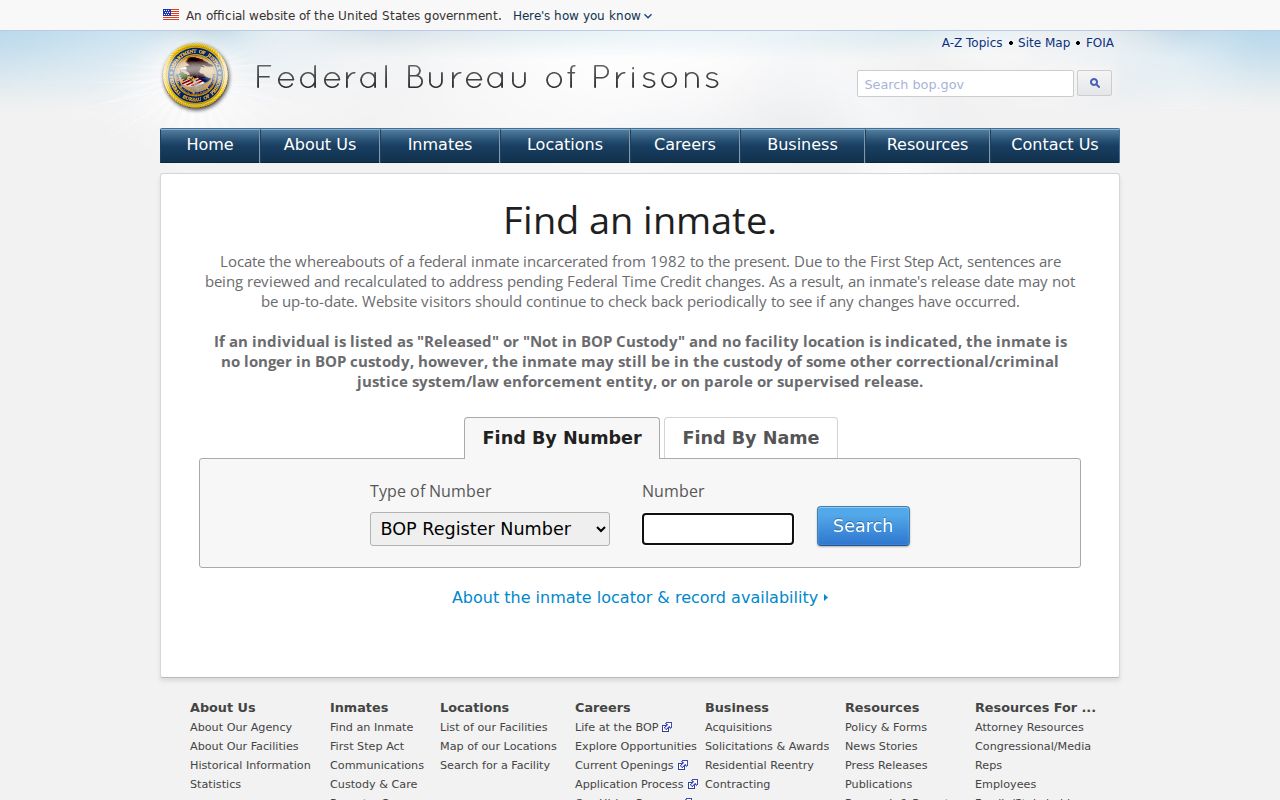
Use the BOP locator only for federal custody. It will not identify a person held at a local receiving jail or supervised by Kentucky corrections.
Municipal Court Records in Ewing
No separate Ewing municipal case-search portal or court was verified. Ewing incidents that become prosecutions are routed through Fleming District or Circuit Court. District handles misdemeanors, violations, traffic cases, and preliminary felony proceedings. Circuit handles felony cases after indictment. Amy M. Saunders is the Circuit Court Clerk listed by the Kentucky Court of Justice.
| Court name | Fleming District Court or Fleming Circuit Court |
|---|---|
| Case types | District misdemeanors, traffic and early felony matters; Circuit indicted felonies |
| Lookup channel | District 606-845-8571; Circuit 606-845-7011; CourtNet 2.0 for eligible users |
| Public file | Case header, charges, events, hearings, disposition, sentence, and available filings |
| Copies and fees | Confirm current copying and certification costs with the clerk |
The court counter is at 101 N. Main Cross Street in Flemingsburg. It is open weekdays, with a daily 11:30 a.m. to 12:30 p.m. lunch closure.
Older records may be stored off site or destroyed under retention rules. If a file was transferred, ask the clerk for the repository and locator numbers. Document images are not guaranteed through CourtNet, so identify the docket entries or orders needed for inspection or copying.
Ewing District and Circuit Records
The court split follows the charge and procedural stage, not the city label. A misdemeanor or traffic file remains in District Court. A felony may begin there for an initial appearance or preliminary step, then move to Circuit Court after indictment. Search both divisions when the arrest paperwork predates a later felony case.
A court record can show a charge description, KRS citation, hearings, bond, plea, orders, disposition, and sentence. The arrest report can still differ because a prosecutor may amend or replace the officer's initial charge. Ask for a certified disposition when correcting one's own compiled record or proving the final result.
Several docket terms separate the stages. An arraignment addresses the charge and plea. A docket is the dated list of filings, hearings, and orders. A disposition is the result of a charge or case. Bond concerns release and appearance conditions, not guilt. Read those fields together instead of drawing a conclusion from one status label.
The U.S. District Court for the Eastern District of Kentucky is the separate federal court layer.
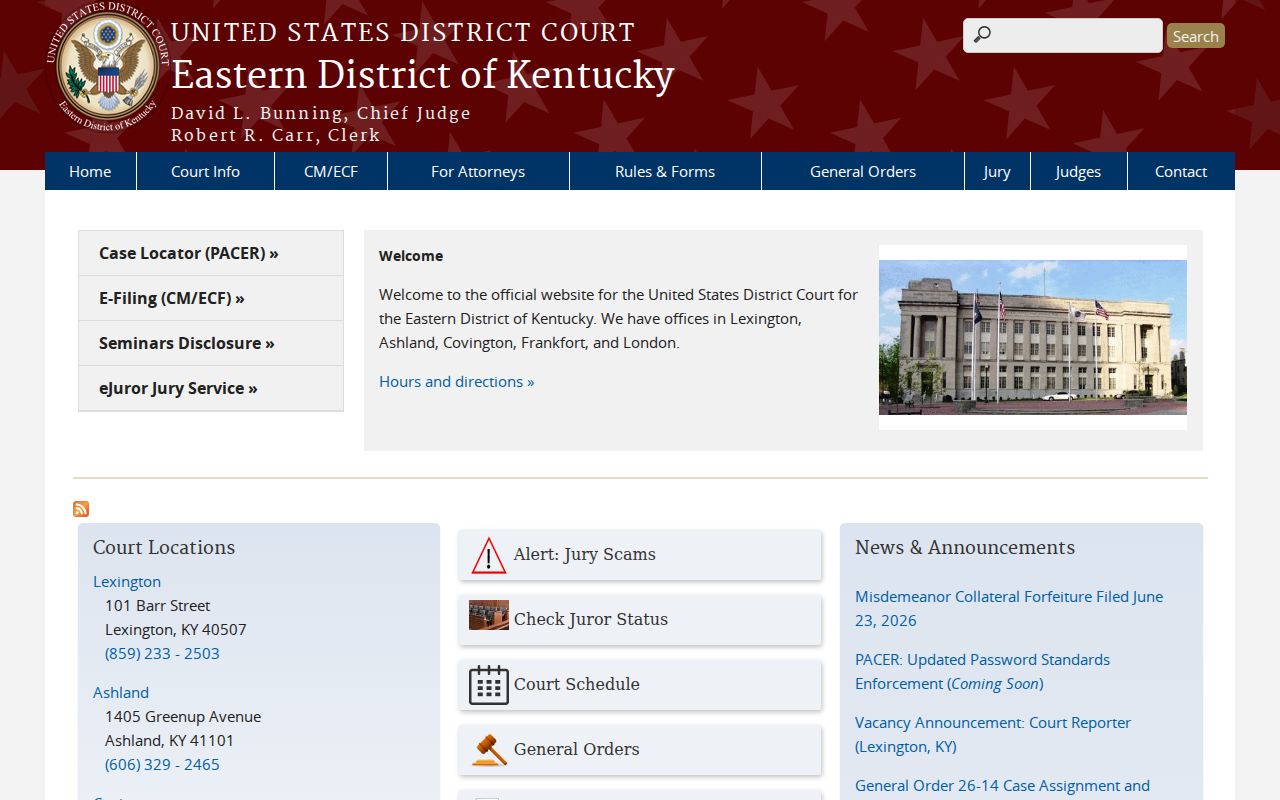
Federal dockets use PACER. They do not appear solely through the Fleming County clerk.
Where Ewing Records Go
The actual responding agency begins the record chain. A receiving facility creates booking details when custody occurs. Fleming's District Court creates the early judicial file, and Circuit Court takes an indicted felony. Reported arrest identifiers and final dispositions should then connect within KSP's repository.
Record flow: Responding agency in Ewing › Fleming County Courts › Kentucky State Police Records Branch
A mismatch should be sent to the office that owns the disputed fact. The arresting agency addresses an incorrect arrest item. The clerk owns the plea, dismissal, judgment, and sentence. KSP reviews a repository cycle after the source documentation is gathered.
Ewing and the Closed Jail Label
KOOL can show “Fleming County Jail (closed)” as a historical location. That label does not establish a present facility, current inmate location, or usable mailing address. Searchers should not infer custody from an old facility name. First confirm the receiving jail with the arresting agency.
KOOL works best for Kentucky corrections data by name or offender identifier. Public profiles can include status, location, offense and sentence entries, and supervision information. Fields vary. The profile is not a booking log, police report, or full court docket, and an empty result does not rule out a recent local arrest.
VINE serves a different purpose by supporting custody notification. Neither VINE nor KOOL establishes the final court outcome. The Fleming clerk remains the source for a dismissal, conviction, sentence, or other disposition. The receiving jail remains the source for its own intake and release file.
Ewing Records Beyond County Courts
An Ewing court case can later produce a state supervision record, so the local clerk and KDOC answer different parts of the history. Kentucky probation and parole are state-run, and Fleming County is served in District 15. The official KRS Chapter 439 contains the probation and parole framework.
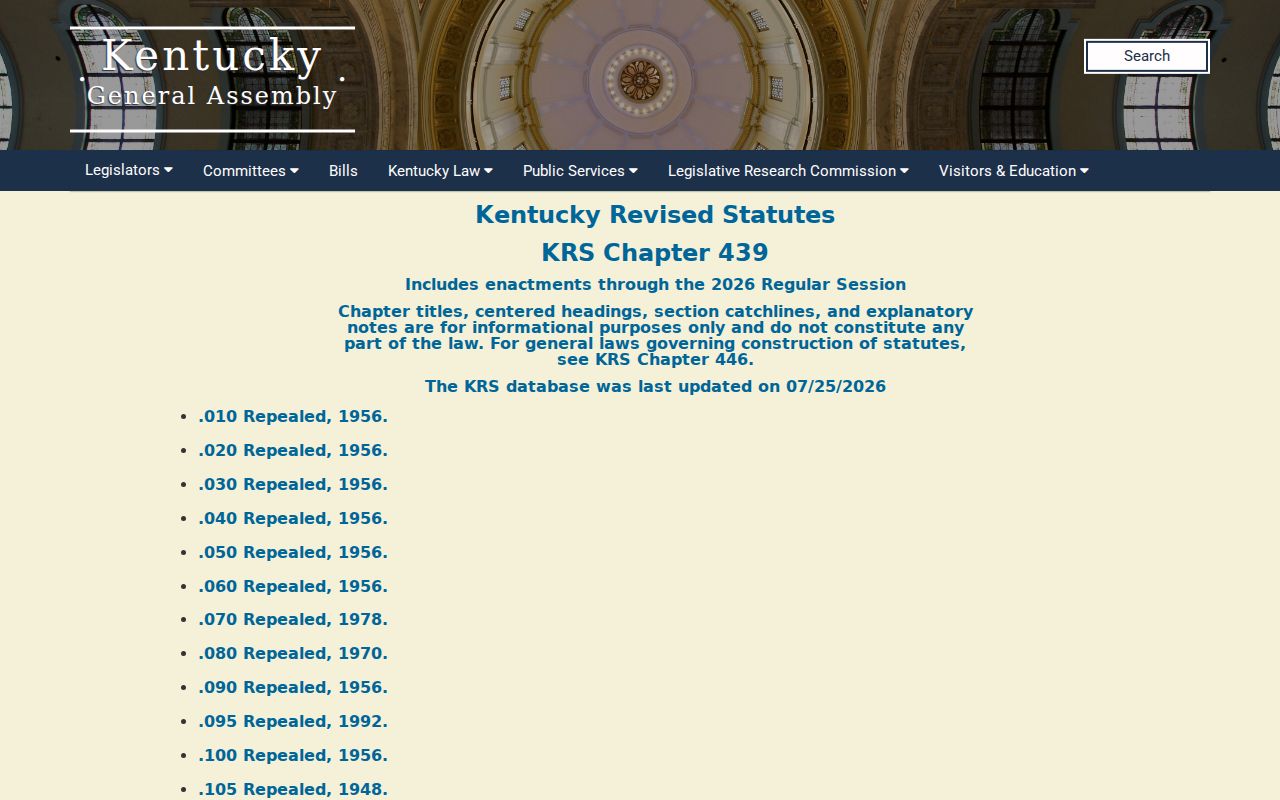
The statute image marks the state layer. Use the Fleming clerk for the conviction and sentence, and KDOC for the supervision status it maintains. Probation is court-ordered community supervision, while parole is conditional release from imprisonment. Neither label replaces the underlying judgment.
If relief from an Ewing-related case may apply, the filing still returns to the court holding that case. Kentucky distinguishes felony vacatur and expungement, eligible misdemeanor or violation matters, and certain acquittal or dismissal outcomes. The official KRS Chapter 431 provides the governing text.
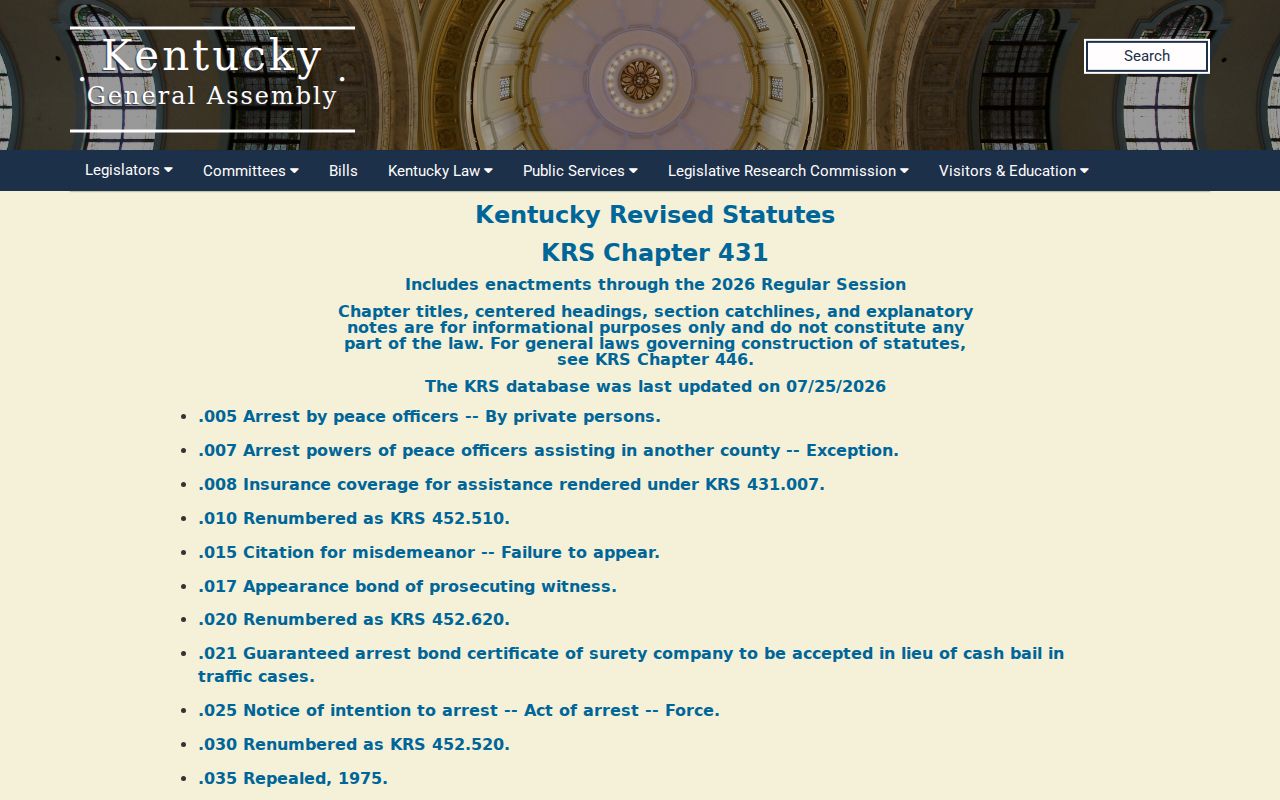
The statute image points to the controlling state source. Use the correct AOC form, then confirm eligibility, the effective legal text, and current fees with the Fleming clerk before filing.
Public Access Rules in Ewing
Send a request to the public agency that created or maintains the record. The sheriff handles sheriff reports. KSP handles trooper reports. The clerk handles court files through the judiciary's process. A request should name the incident, date range, record type, and delivery format with enough detail to permit retrieval.
Key statutes:
Kentucky Open Records Act, KRS 61.870-61.884 governs access to nonexempt agency records.
KRS 17.150 addresses criminal-history dissemination and law-enforcement investigative records.
KRS 431.073 covers qualifying felony vacatur and expungement under stated conditions.
Juvenile records, sealed or expunged material, victim identifiers, active investigative details, and protected personal information may be withheld or redacted. Ask for public portions of a mixed file.
A public-record response and a criminal-history repository result serve different roles. The first returns an identified agency document when it is releasable. The second compiles reported events under identity rules. Neither should be stretched beyond its source. If one record conflicts with another, obtain the clerk's certified disposition and send the correction to the agency that maintains the wrong fact.
Keep the request, delivery proof, response, and source record together. If an expungement order is involved, allow each agency time to process it, then recheck the court and applicable repository. One updated database does not prove that every derivative record changed at the same moment.